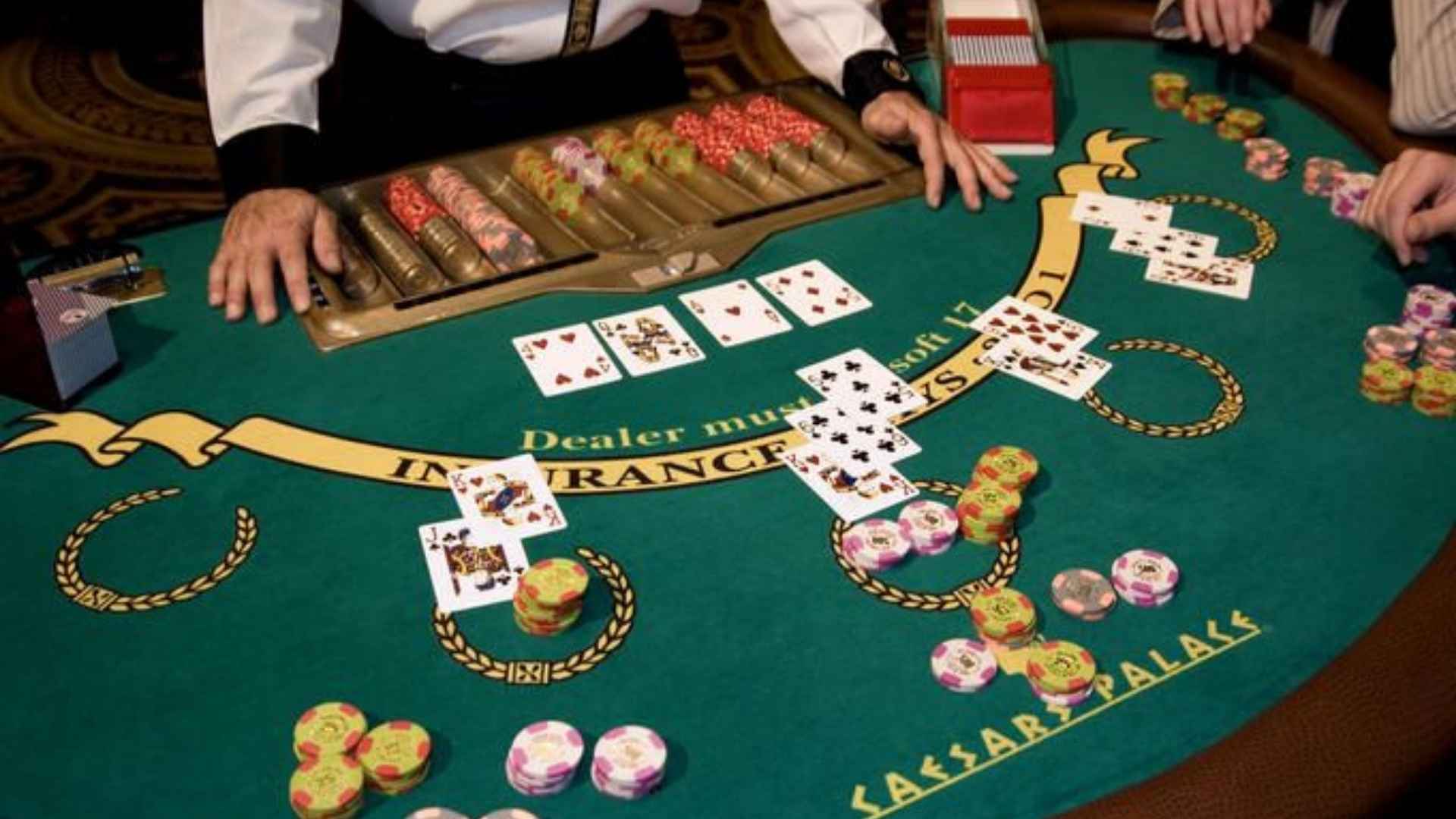
Walking onto a busy casino floor can feel like stepping into a foreign country with its own unique dialect. From subtle gestures to specific jargon, knowing what might give a hand in a casino helps players navigate games with confidence. Understanding these terms not only improves communication with staff but also enhances your overall gaming experience.
Understanding Literal and Figurative Hands at Table Games
In card-based games like blackjack, baccarat, and poker, a hand refers to the set of cards dealt to an individual player. Knowing how to play your hand correctly requires understanding basic strategies and proper game procedures. The quality of your starting cards directly influences your decisions during each betting round.
Beyond physical cards, receiving a hand can also mean getting assistance from friendly dealers or fellow players. Most casino staff are more than happy to explain table etiquette or basic rules to newcomers. Learning how to ask for guidance safely prevents costly mistakes while keeping the game moving smoothly.
Deciphering Common Casino Lingo and Jargon
Table games rely heavily on specialized terms that describe action, betting, and game status. Terms like house edge, hit, stand, and double down are fundamental to standard card play. Recognizing these phrases allows players to make informed decisions without delaying the dealer.
When exploring online options, players often search for reliable access points like m88 alternatif to enjoy their favorite digital games. Understanding digital terminology alongside traditional terminology ensures a seamless transition between physical and virtual gaming floors. Being familiar with basic phrasing builds confidence across any gaming environment.
Mastering Non-Verbal Signals and Etiquette
In physical casinos, hand signals are often more important than spoken words due to overhead surveillance cameras. In blackjack, tapping the table signals a desire for another card, while waving your hand horizontally indicates you wish to stand. These clear visual cues prevent disputes between players and dealers during fast-paced rounds.
Proper etiquette also dictates when and how you should touch your chips or cards. For instance, players should never touch their bet after the first card has been dealt by the dealer. Respecting these boundaries creates a safer and more enjoyable atmosphere for everyone at the table.
How Staff and Tips Help You Succeed
Dealers, floor supervisors, and pit bosses are present to maintain fairness and assist patrons throughout their visit. If you are unsure about a rule, asking the dealer before making a wager is always acceptable. Their insights can help you avoid simple errors and make the experience far less intimidating.
Observing a few rounds before joining a table gives beginners time to process the flow of play. Combining basic knowledge of phrases with simple observation ensures a rewarding trip to the casino floor. Ultimately, preparation and clear communication are the best tools for any player.