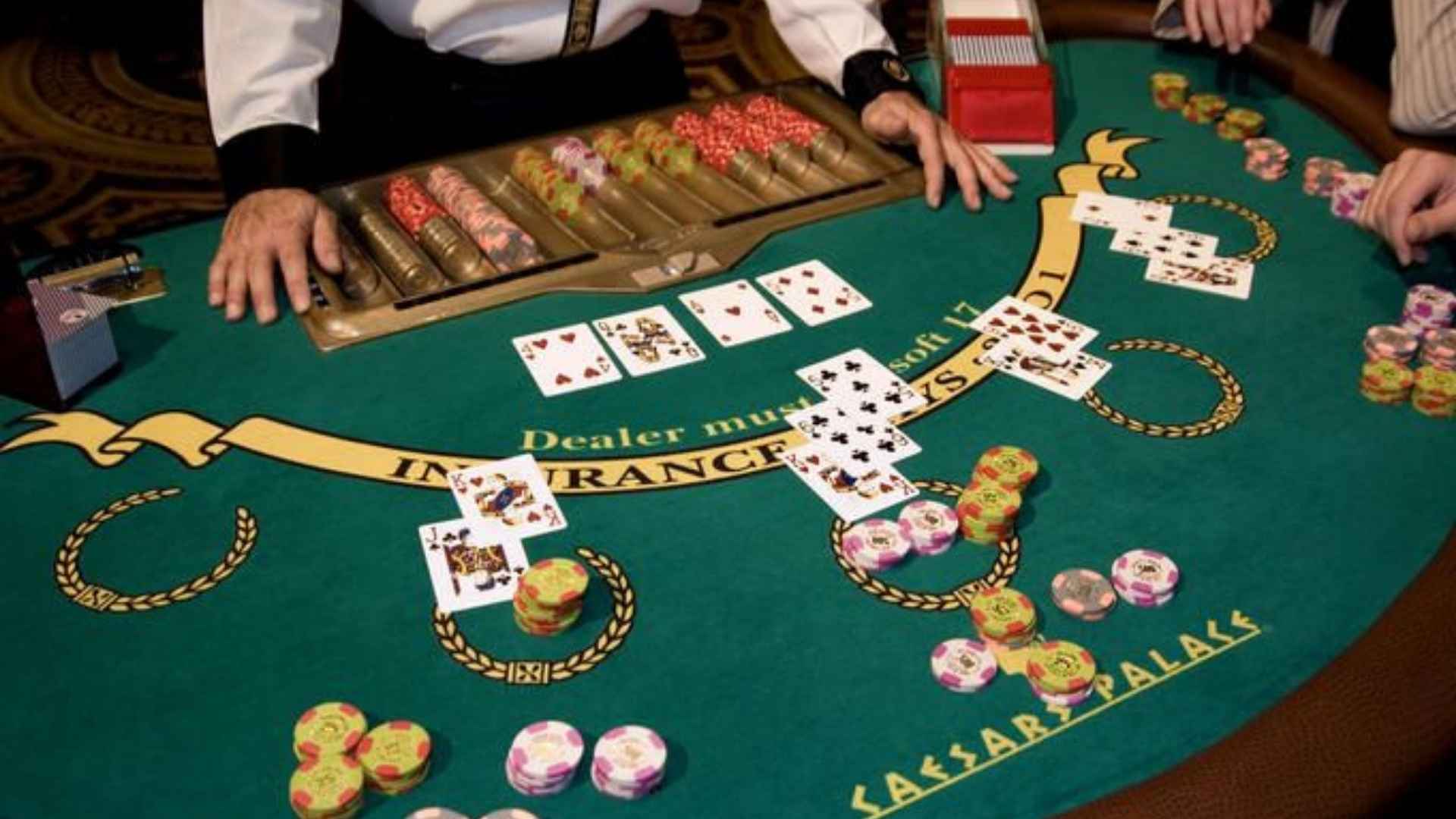
Sitting at a poker table for the first time can feel like entering a community with its own distinct dialect. Whether you are playing in a local casino or joining an online room, the verbal interactions between players follow a highly structured terminology. Understanding these standard phrases is essential for tracking the flow of the game and participating comfortably in the social environment.
The Standard Directives of Active Betting
Every single round of play relies on a shared set of declarations that dictate how chips move into the pot. Players constantly announce intentions to check, call, raise, or fold to signal their tactical decisions to the rest of the table. These binding statements eliminate confusion and ensure that the action progresses in an orderly clockwise fashion.
Newcomers must quickly learn the difference between passing the option to the next person and matching a current wager. When you decide to check, you remain in the hand without committing additional chips, provided no prior bet has been made. Conversely, announcing a raise increases the financial stakes and forces remaining opponents to match the new amount or exit the hand immediately.
Spatial Relations and Positional Talk
A significant portion of table dialogue revolves around where individuals are seated relative to the dealer button. Phrases such as being under the gun, in the cutoff, or occupying the big blind appear in almost every strategic discussion. These terms carry immense weight because your physical location determines the order of action during a betting interval.
Experienced participants frequently discuss how their tactical choices shift based on these spatial boundaries. Acting last in a round provides a massive informational advantage, allowing you to observe opponent behaviors before making a final choice. When analyzing digital platforms, using a reliable M88 Msports Login portal can help you observe these positional dynamics in real time.
The Vocabulary of Etiquette and Conduct
Poker conversations also include a unique lexicon dedicated to maintaining proper conduct and fair play among competitors. Regular players frequently remind each other to avoid disruptive behaviors like string betting or splashing the pot. These unwritten rules of etiquette help preserve the integrity of the game and ensure the dealer can manage the chips efficiently.
Understanding these polite boundaries prevents unnecessary friction and creates a much more enjoyable experience for everyone involved. For instance, making a string bet by saying you call and then adding a raise is strictly prohibited in live card rooms. Paying close attention to the flow of play helps you avoid these common procedural errors naturally.
Psychological Slang and Shared Stories
Beyond the structural mechanics, table talk is heavily seasoned with psychological slang that describes the emotional highs and lows of the game. Terms like going on tilt, executing a bluff, or experiencing a bad beat are universally understood by enthusiasts worldwide. These phrases allow competitors to share their individual experiences and connect over the unpredictable nature of card distribution.
Discussing a painful bad beat story is a classic way for players to bond after a statistically favored hand loses at the very end. While letting emotions control your choices can lead to poor table decisions, sharing these moments adds a rich layer of camaraderie to the game. Mastering this vibrant vocabulary transforms a simple card matchup into an engaging social experience.