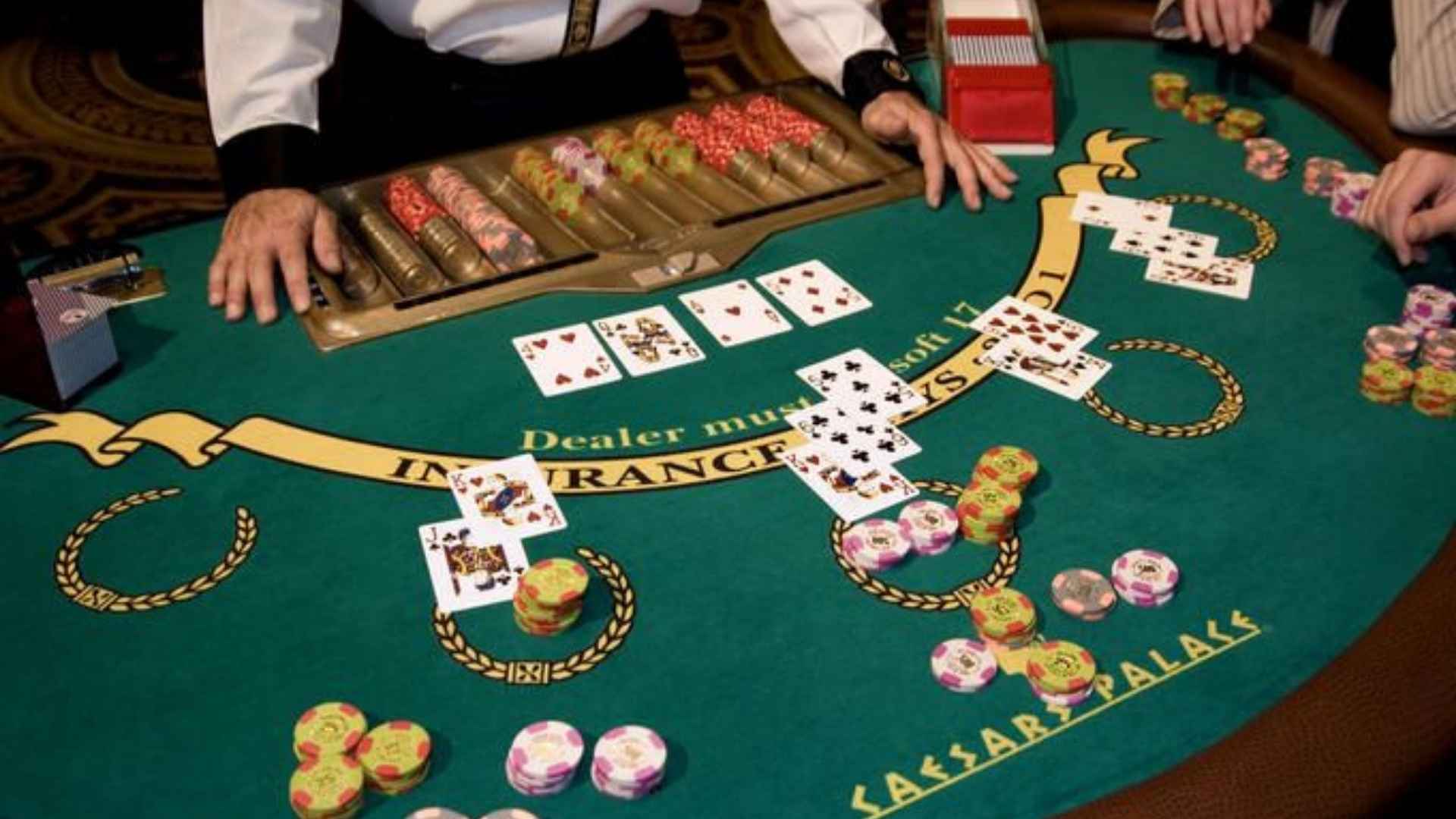
Dominoes is far more than a simple pastime of matching numbers on a flat surface. To achieve consistent success, players must develop cognitive abilities that extend beyond immediate hand management. Cultivating these specific skills is essential for building deep strategic awareness and anticipating moves several turns in advance.
The Core Skill of Tile Tracking and Probability
Keeping a mental record of the tiles played during a match is the foundation of competitive dominoes. By monitoring which numbers have appeared on the layout, players can calculate the probability of remaining tiles. This active observation transforms a game of apparent luck into a highly analytical environment.
Understanding which suits are depleted allows you to make safer plays and block opponents from executing their plans. When you know which pieces are still in the boneyard or held by rivals, your tactical decisions become far more accurate. Developing this memory habit is the first major milestone in transitioning from a casual player to a master strategist.
Deducing Opponent Hands Through Board Play
A crucial element of strategic awareness is the ability to read the hidden hands of your competitors. When an opponent hesitates or passes on a turn, they reveal vital information about the suits they lack. Seasoned players immediately capitalize on these moments of weakness to dictate the tempo of the round.
By intentionally keeping the board ends open on numbers your rival cannot play, you force them into defensive positions. This level of psychological deduction is common across both traditional tabletop setups and digital platforms. For instance, exploring modern formats via M88 Sport login highlights how global players rely on reading competitive behavioral patterns online. Sharpening this deductive skill ensures you remain in control of the table regardless of the physical or virtual environment.
Mastering the Art of Board End Control
Controlling the ends of the domino chain is vital for limiting your opponent's choices while maximizing your own. Every tile placed has the potential to open new scoring avenues or close down viable pathways. Strategic players evaluate how their placement alters the board layout several turns down the line.
This forward-thinking mindset prevents you from accidentally providing your opponent with high-scoring opportunities. It is also beneficial to play high-value doubles early in the round to prevent getting stuck with them if the game gets blocked. Maintaining positional dominance on both ends of the layout remains the most effective way to secure a win.
Developing Long-Term Tactical Patience
Strategic awareness also requires an emotional discipline that prevents hasty decisions based solely on high-value tiles. Sometimes, holding onto a specific tile for defensive purposes is more valuable than making an immediate point-scoring move. Patience allows you to build complex trap scenarios that pay off in the final stages of the match.
Understanding when to play aggressively and when to adopt a conservative stance is a hallmark of elite players. This balanced approach reduces the variance of your outcomes and builds a reliable road to victory. Ultimately, consistent practice of these skills elevates your overall critical thinking and mental agility.