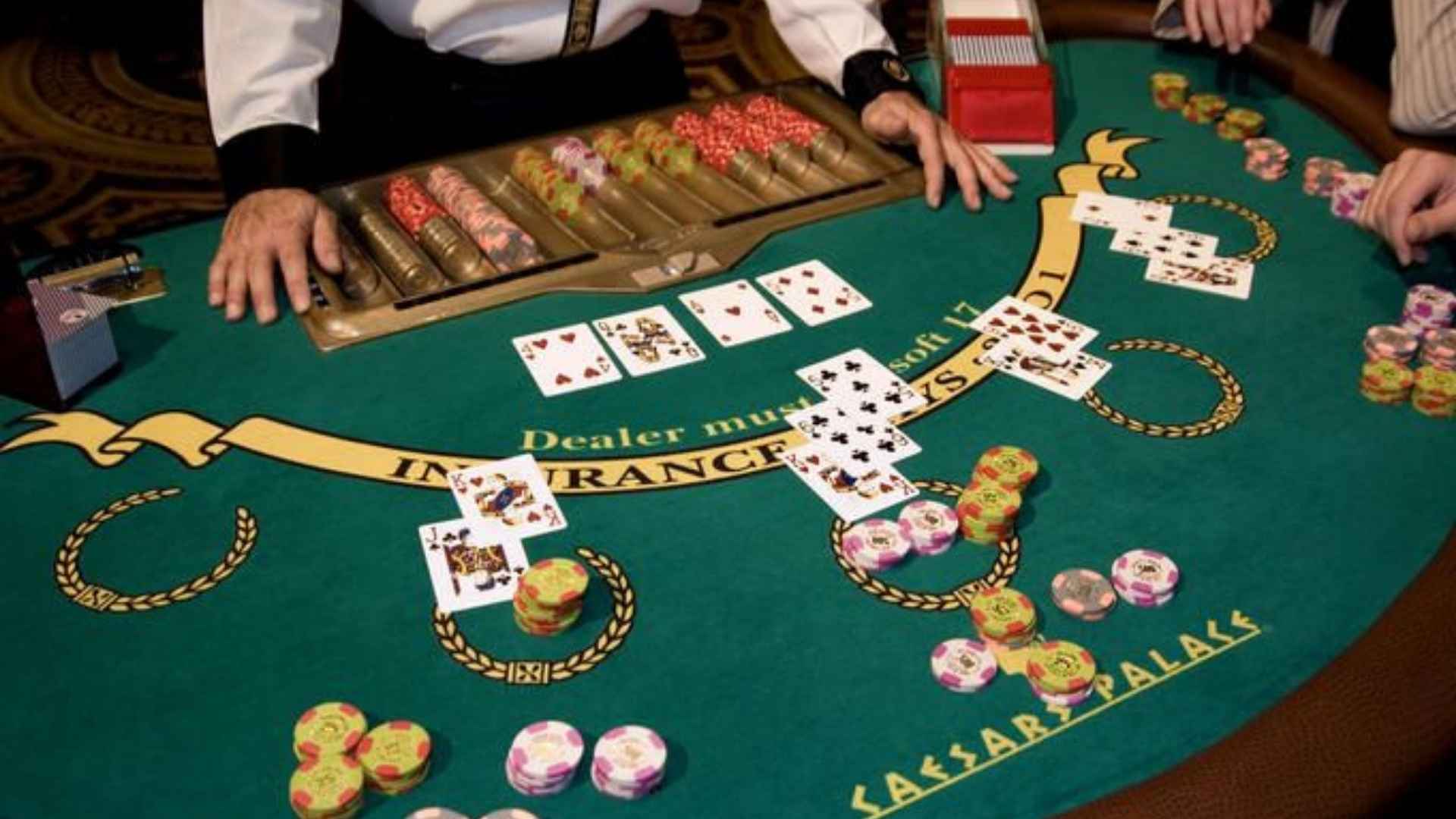
The traditional casino card game of baccarat is often celebrated for its simplicity, as players generally choose between the banker or player hand. However, looking at the game through the lens of modern probability theory reveals a much deeper mathematical landscape than a simple binary choice. By examining how individual card distributions affect overall shoe dynamics, enthusiasts can develop a more sophisticated appreciation for table fluctuations.
The Mathematical Reality of Shoe Evolution
Every round dealt from a baccarat shoe fundamentally alters the mathematical composition of the remaining cards. Unlike games with independent events, each removed card shifts the microscopic probabilities governing the next outcome. This continuous depletion means that the theoretical house edge is never completely static throughout an extended session.
Many analytical players focus on tracking specific card combinations to see which side gains a fractional advantage. For instance, the removal of small cards typically alters the environment differently than the removal of high-value face cards. Recognizing these subtle adjustments helps transition a player from relying on basic luck to understanding systemic probability.
Challenging the Illusion of Streak Patterns
Human psychology naturally searches for order and repetitive sequences on the electronic scoreboards displaying past results. While these visual charts are highly entertaining, probability rules dictate that past outcomes have no direct statistical influence over future independent deals. Believing that a long streak must inevitably end is a classic cognitive trap known as the gambler fallacy.
Instead of chasing superficial trends, experienced analysts focus on the mathematical boundaries of the game structure. Modern players often utilize an m88 alternatif platform to observe live-dealer distributions and test theoretical tracking models in real time. This structured approach replaces emotional guesswork with balanced observations rooted in actual mathematical expectations.
The Hidden Impact of the Third Card Rules
The strict, predetermined drawing rules for the third card are what truly define the mathematical core of traditional baccarat. Because the banker hand acts second, it benefits from a structural positional advantage that alters the overall distribution of outcomes. This nuance is the primary reason why a small commission is standard practice for winning banker wagers.
Understanding the exact triggers for these drawing conditions allows individuals to appreciate the rigorous design beneath the gameplay. Rather than viewing the third card as a random element, it should be seen as the execution of a fixed mathematical formula. This perspective helps demystify sudden table shifts and highlights the elegant balance engineered into the casino classic.
A Balanced View on Risk Management
Ultimately, a fresh perspective on baccarat probability emphasizes long-term sustainability over short-term expectations. While no analytical system can entirely overcome the built-in house advantage, understanding the math helps players mitigate unnecessary exposure. Approaching the table with disciplined parameter management remains the most reliable strategy for any casino enthusiast.
By treating each round as a lesson in data distribution, players can enjoy the game with a clear and logical mindset. True table mastery is not about predicting the next specific hand with absolute certainty. Instead, it relies on accepting mathematical volatility while maintaining complete control over your own analytical framework.